There are happy stories about heroin recovery, but often, the stories are disheartening. How long it will take you to recover from heroin depends on a number of factors. Individuals dragging the chains of heroin addiction tend to suffer for years without relief and those who have apparently recovered are vulnerable and prone to relapse at any time, but with the right motivation and treatment—recovery is possible. Drinking within these limits can help reduce the risk of hypertension and other cardiovascular issues. If you are considering taking the first courageous steps towards health and happiness with drug or alcohol rehab, then you can count on the expert services and comprehensive support offered by the team at Renew Health.
Dose‐dependent response
We recorded the washout period of each included study reported by study authors to decide if there was risk of a carry‐over effect. If it was appropriate to combine cross‐over trials with other trials, we used the recommended generic inverse variance approach of meta‐analysis. We tested the effect of cross‐over trials through sensitivity analysis by excluding them from the meta‐analysis to check if the effect estimate changed significantly. Two review authors (ST and CT) performed data extraction independently what is alcoholism using a standard data collection form, followed by a cross‐check. In cases of disagreement, the third review authors (JMW) became involved to resolve the disagreement.
- Alcohol can cause blood vessels to constrict and heart rate to increase, putting extra strain on the cardiovascular system.
- The Centers for Disease Control and Prevention (CDC) recommends that men should limit their alcohol intake to no more than two standard drinks per day, while women should limit it to one standard drink per day.
- Tremors, sweating, agitation, nausea, vomiting, tachycardia, and hypertension begin in alcohol abusers 6 to 24 h after the last alcohol intake 95.
Liang 2012 published data only
The minimum risk in overall mortality among drinkers was detected with an intake around 100 g/week or below of alcohol. A positive linear relationship was observed between the amount of alcohol intake and stroke, coronary heart disease, except myocardial infarction, fatal hypertensive disease, heart failure, and fatal aortic aneurysm. Interestingly, the risk of myocardial infarction was inversely related to alcohol intake. “Atrial fibrillation, or AFib, occurs when the heart’s upper chambers beat irregularly and can increase stroke risk fivefold if left untreated.

Can You Drink Alcohol With Heart Disease?
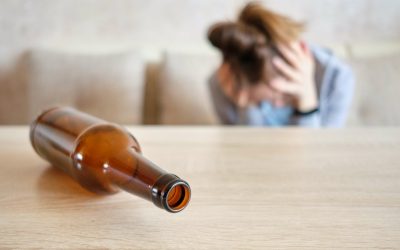
By the third day after alcohol withdrawal, blood pressure had significantly decreased, and normalization of values was obtained in most patients by the end of the study. Cessation of alcohol intake significantly decreased plasma aldosterone and cortisol levels, whereas there were no effects on active renin and 24 h fractionated urinary catecholamines values. At does alcohol cause high blood pressure baseline, hypertensive heavy drinkers had significantly higher levels of plasma endothelin and PAI-1 than teetotallers. During the study, both endothelin and PAI-1 levels progressively decreased in hypertensive heavy drinkers who stopped alcohol intake but remained elevated in patients who maintained alcohol consumption.
Woerdeman 2018 published data only

However, among studies designed to examine the influence of beverage type, no differences have been found in CV disease outcomes or biologic markers, such as HDL-c (Mukamal et al. 2003a; Volcik et al. 2008). Differential associations of CV risk with certain beverage types such as wine instead have been attributable to other lifestyle factors (e.g., increased physical activity) or drinking with meals (Malarcher et al. 2001). Results from another meta-analysis of 12 cohort studies found a similar dose–response relationship between alcohol consumption and HTN for males. A J-shaped relationship for females showed protective effects at or below consumption levels of 15 g/day (Taylor et al. 2009). These data highlight how gender may be an important modifier of the alcohol threshold level and can shape the alcohol benefit–risk relationship.
- No, alcohol typically does not slow heart rate – In fact, the heart races after drinking alcohol.
- Alcohol also causes damage to the liver over time, especially if you drink too much.
- She has extensive experience working alongside clinicians and providers to create physical and mental well-being content that’s useful, informative, and clinically effective.
- We contacted the author of Rosito 1999 to request additional information regarding the method of blinding used.
- This means that the combined depressant effects can slow down breathing and heart rate to dangerously low levels.
It may affect the level of the medicine in the body or cause more side effects. Heavy alcohol users who cut back to average drinking can lower their top number in a blood pressure reading by about 5.5 millimeters of mercury (mm Hg) and their bottom number by about 4 mm Hg. Sara Tasnim (ST) and Chantel Tang (CT) drafted the protocol with help from JMW. Both ST and CT independently assessed studies for inclusion or exclusion and assessed https://ecosoberhouse.com/ the risk of bias of all included studies.
Leave a Reply